
The first year sets the rest.
A clear, simple roadmap for your puppy or kitten’s first twelve months: vaccines, parasites, spay/neuter, microchipping, and the small habits that pay off for the next fifteen years.
Why the first year matters
Puppies and kittens come into the world with maternal antibodies that fade over the first few months. The vaccine series is timed to match that fade, building lasting immunity right as the maternal protection runs out.
The same logic applies to parasite prevention, dental development, behavior milestones, and the spay/neuter decision. Get the foundation right in year one and the rest of life is easier.
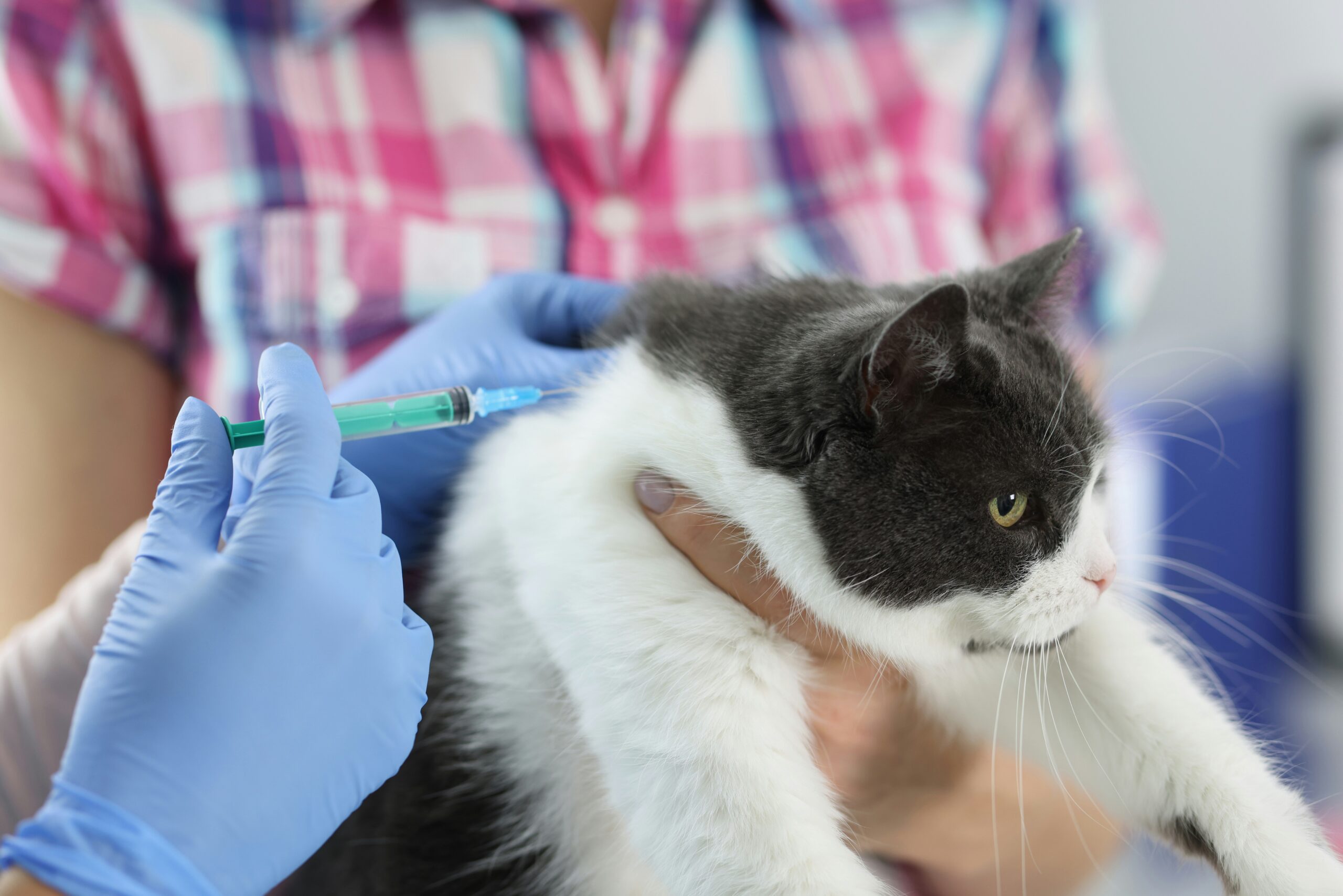
Vaccines, timed to your pet’s biology
First visits happen between 6 and 8 weeks. Core vaccines run in a series, boostered every 3 to 4 weeks until 16 weeks, then transition to annual or 3-year boosters depending on the vaccine.
For puppies: DAPP and Rabies are core. Bordetella, Leptospirosis, and Canine Influenza are risk-based, depending on exposure to boarding, daycare, dog parks, wildlife, or standing water.
For kittens: FVRCP and Rabies are core. FeLV is recommended for outdoor cats or indoor cats with feline housemates of unknown FeLV status.
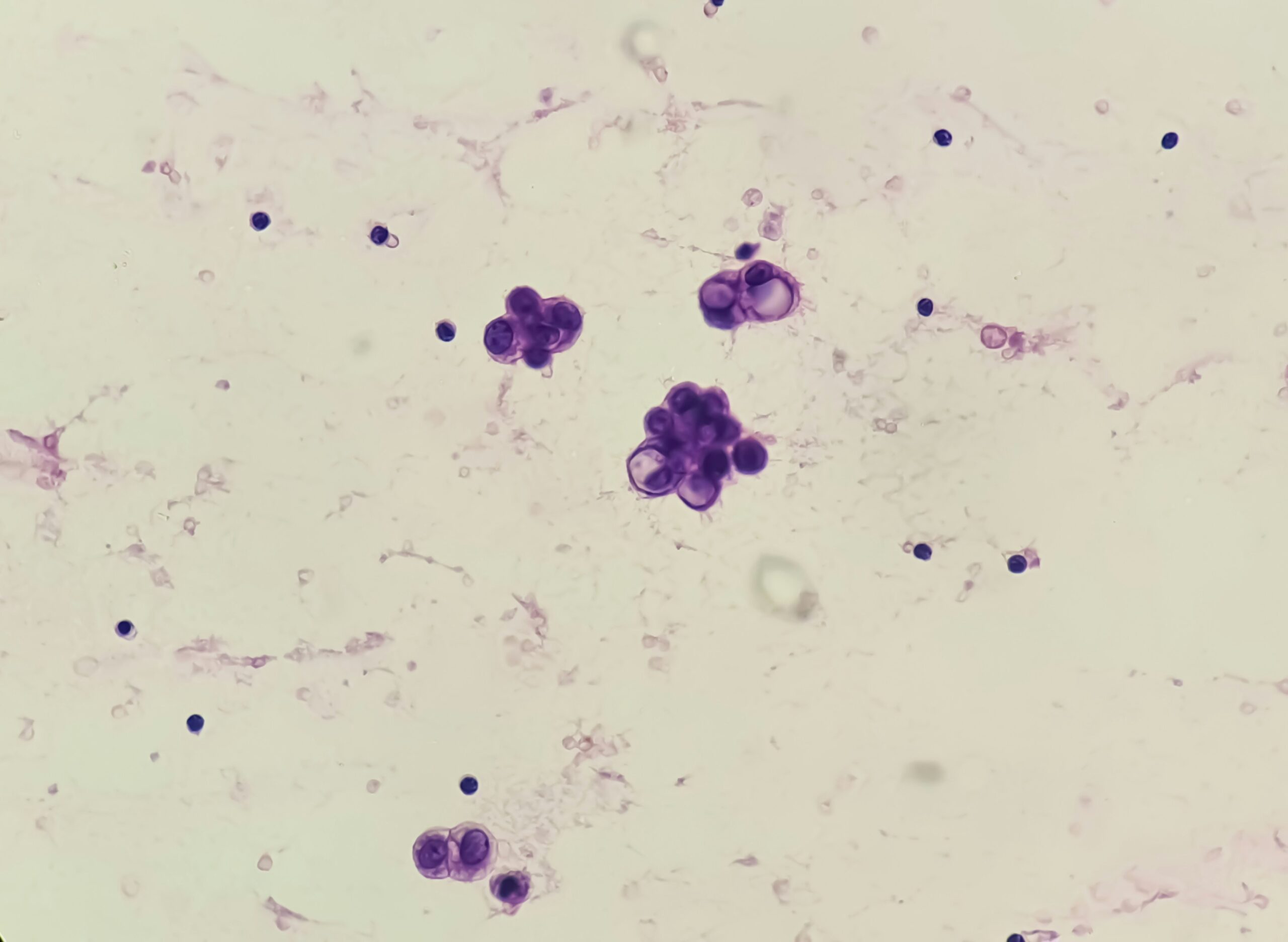
Fecal exams
Most young pets carry intestinal parasites without obvious symptoms. We run a fecal exam at the first visit and again at 4 to 6 months. A small stool sample is all we need, and we run the test in-house for same-day results.
What we’re looking for:
- Roundworms — the most common in puppies and kittens
- Hookworms — can cause anemia in young pets
- Whipworms — persistent in soil
- Giardia — protozoan parasite, common in dogs from social settings
- Coccidia — protozoan parasite, especially common in young pets from shelters or breeders
Most are zoonotic (transmissible to humans, especially kids), and all are treatable.

Flea, tick, and heartworm prevention
In Los Angeles, parasite season is basically year-round. We start monthly prevention at the first puppy or kitten visit and keep it going for life.
- Fleas and ticks: chewable or topical monthly products, dosed by your pet’s weight.
- Heartworm: transmitted by mosquitoes; far easier to prevent than to treat. We test annually and prescribe a monthly preventive.
- Intestinal worms: most monthly products also cover roundworms, hookworms, and whipworms.
Refills ship to your home through our online pharmacy at pawpriorityrx.vet.
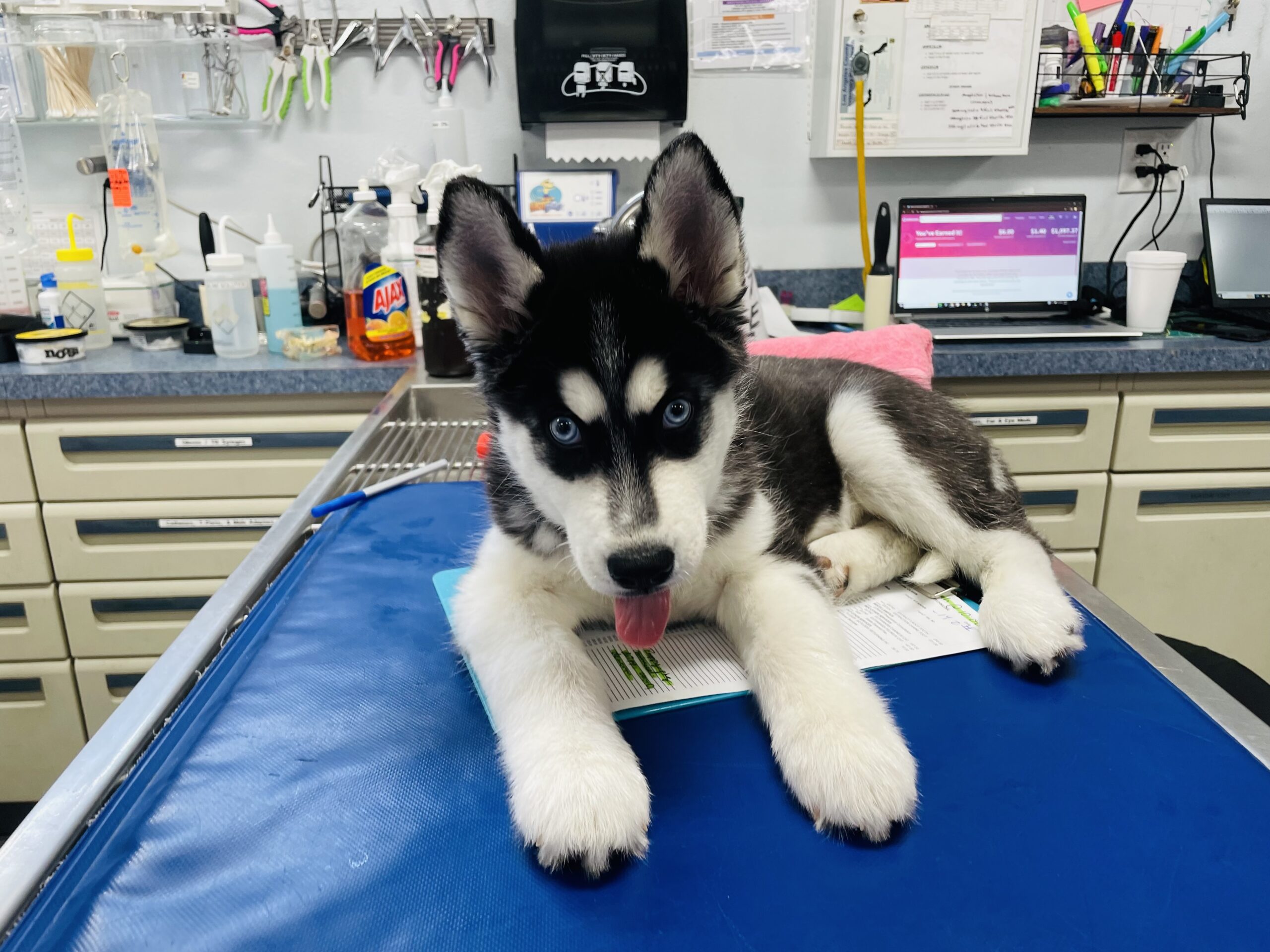
Spay & neuter, tailored to your pet
The right timing depends on your pet’s species, breed, and size. We don’t believe in a one-size answer.
- Cats and small-breed dogs: typically around 6 months.
- Medium-breed dogs: 9 to 12 months.
- Large- and giant-breed dogs: 12 to 18 months, after the growth plates have closed. Research from UC Davis (Hart et al., 2020) shows early spay/neuter in big dogs is linked to higher rates of joint disease.
We’ll talk through the right timing at your puppy or kitten’s wellness visits, no pressure, just a real conversation about what makes sense for your pet.

Microchipping
A microchip is a tiny RFID tag about the size of a grain of rice, placed just under the skin between the shoulder blades. Any vet, shelter, or animal control office can scan it and look up your contact information in a registry.
Collars come off. Tags fall off. Microchips don’t. Microchipped dogs are returned to their owners more than twice as often as those without; for cats, the difference is even larger.
The procedure takes seconds and is often done at the same time as spay or neuter. We handle registration so all you have to do is keep your contact info current.
Start the first year right
Book a puppy or kitten wellness visit and we’ll walk through the whole roadmap together.
Puppy first vet visit in Los Angeles: what actually happens (and what it costs)
What to bring, what we check, what to ask, and what a first puppy visit runs at a doctor-owned LA clinic.
Read the article →