

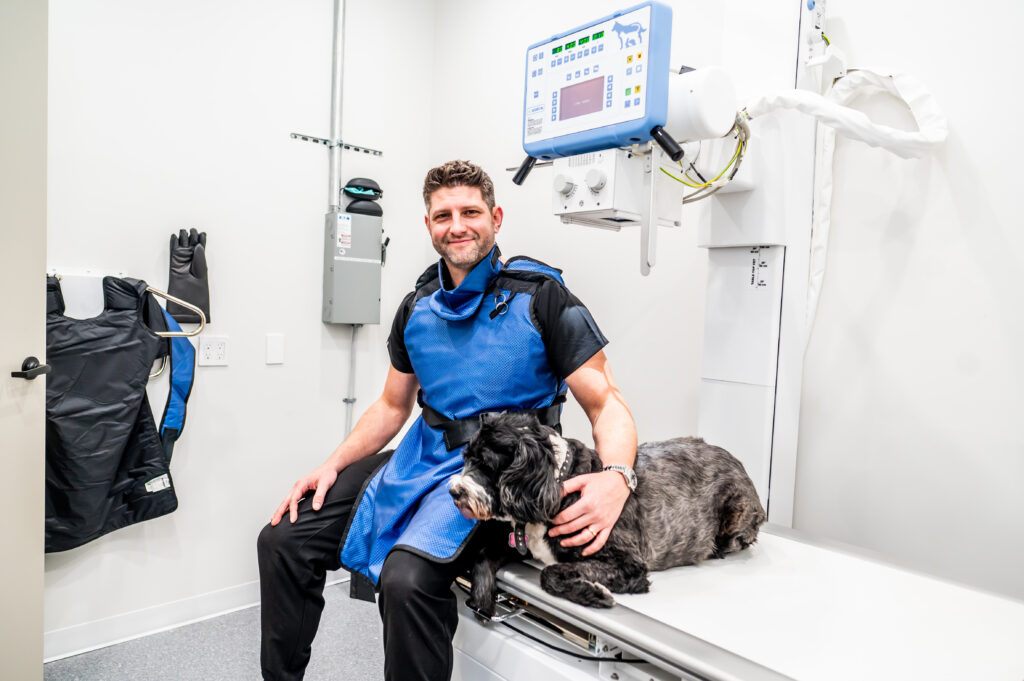
By Dr. Ezra Ameis, DVM
I spent four years working overnight in veterinary emergency rooms. One thing ER teaches you quickly: many crises aren’t sudden. They’re the result of slow, silent processes that weren’t caught in time.
When I practiced in New York, I had a case I’ll never forget. Sadie was a six-year-old golden retriever—sweet, adorable, and just a little off: mild lethargy, a few episodes of vomiting. I still remember how gently she walked over to greet me in the exam room. She climbed into my lap—how many dogs do that with a stranger in a white coat? Her physical exam didn’t show anything dramatic, but something didn’t sit right.
Her owner asked, “Can’t you tell from the exam? Is bloodwork really necessary?” Wanting to sound confident, I reassured him she’d likely be fine. A week later, she returned pale and weak. Bloodwork showed severe anemia from IMHA. I admitted her to the ICU and did everything I could—including transfusions—but we lost her the next day. I still think about Sadie. The sweet ones stay with you. So do the regrets.
That case and hundreds of others shifted my approach when I opened my hospital. I still see emergencies, but I’ve become a strong believer in preventative medicine and routine screening: bloodwork, urinalysis, and x-rays—especially as pets reach middle age. These aren’t glamorous tests, but they offer real insight into how the body is functioning before it visibly fails.
Why It Matters
Most animals won’t tell you when something’s wrong. By the time they do, they’re often already in trouble. Routine diagnostics let us look under the hood—before the check engine light comes on.
Bloodwork detects changes in blood cells, liver, kidney, pancreas, and electrolytes—often before symptoms appear.
Urinalysis reveals bladder infections, crystals, diabetes, or kidney issues.
X-rays uncover heart enlargement, lung changes, tumors, organ enlargement, spinal problems, bladder stones, or GI obstructions.
These aren’t just for sick pets. They’re for pets who seem fine—because that’s when we have the best chance to intervene early.
What I’ve Learned
In emergency medicine, I met too many families for the first time during a crisis. These days, I’d rather catch problems early—even if it means a slightly awkward conversation about lab work when a pet seems healthy.
I’m not someone who recommends testing just to check a box. But around age six, I begin suggesting yearly screening. It means simpler care, less suffering—and often, avoiding that 4 a.m. ER visit.
Dr. Ezra Ameis is an emergency veterinarian and the owner of Paw Priority in West Hollywood, a clinic providing general practice, urgent care, and acupuncture. To suggest a topic or ask a pet-related question, email hello@pp.vet.