
Yes, we see cats. Gladly.
Feline wellness, urgent care, vaccines, dental, and senior care at an independent, doctor-owned clinic on Melrose. Cats are not small dogs, and we don’t treat them like they are.
Why cats need a different approach
Cats are experts at hiding illness. By the time a cat looks sick, they have usually been sick for a while. That is why the yearly exam matters more for cats, not less, and why a cat who “just seems off” is worth a same-day visit rather than a wait-and-see.
Paw Priority sees cats and kittens every day, for everything from first vaccines to urgent care to the long slow work of managing kidney disease in a 16-year-old. You see the same doctor each time, which matters a lot with a species that hates strangers.
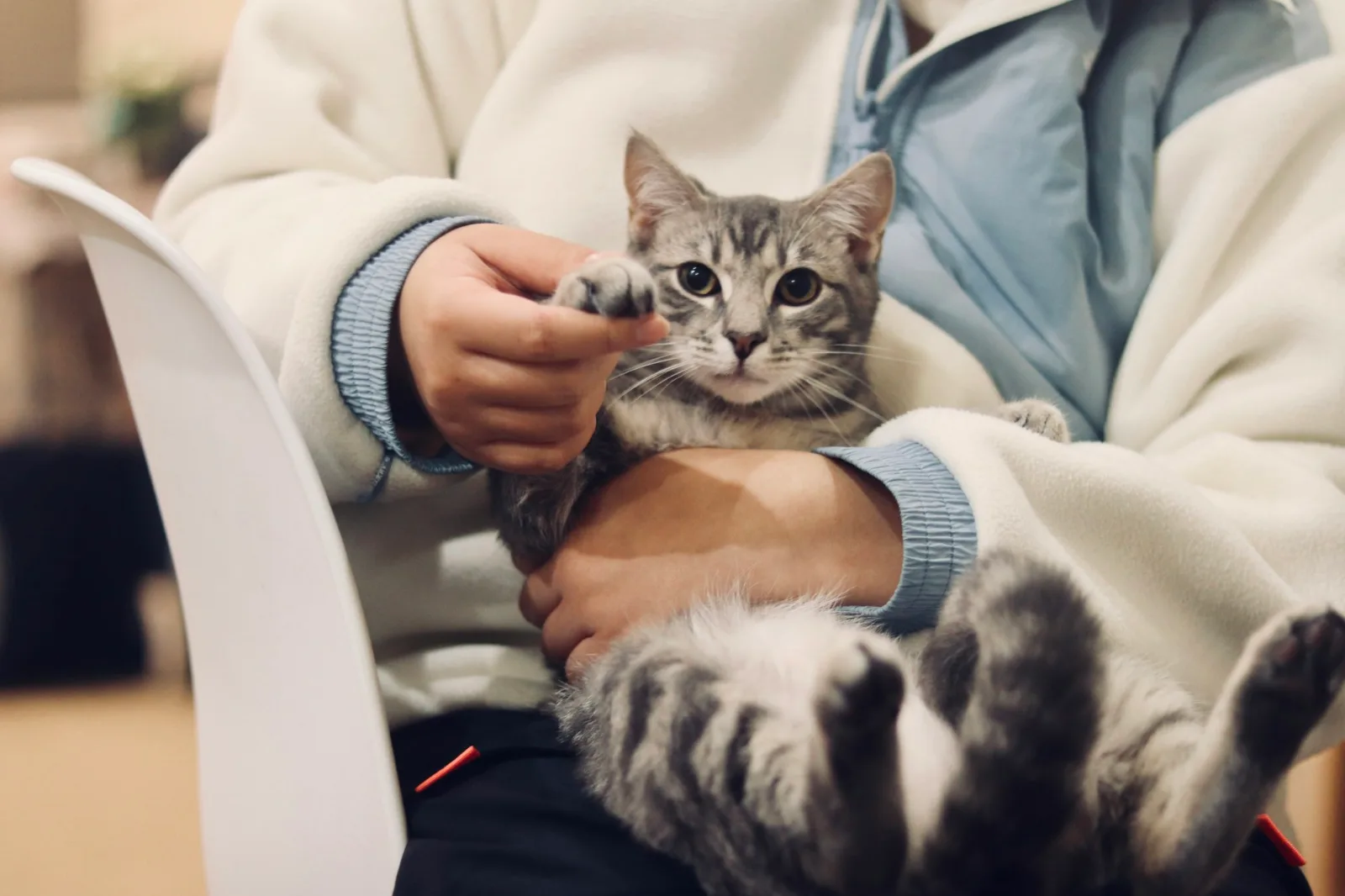
A calmer visit, by design
A stressed cat is harder to examine and gives us worse information, so we work hard to keep the stress down.
- Your cat sets the pace. We let cats come out of the carrier on their own time, and if they would rather be examined in the bottom half of the carrier, that is fine with us.
- Less restraint, not more. A towel wrap and a quiet voice do more than a firm grip ever will.
- Scheduled appointments. Walk-ins are always welcome, but calling ahead means your cat is not sitting in a carrier in the lobby.
- One doctor, start to finish. The same hands every visit. Cats notice.
If your cat truly will not travel, we also offer house calls.
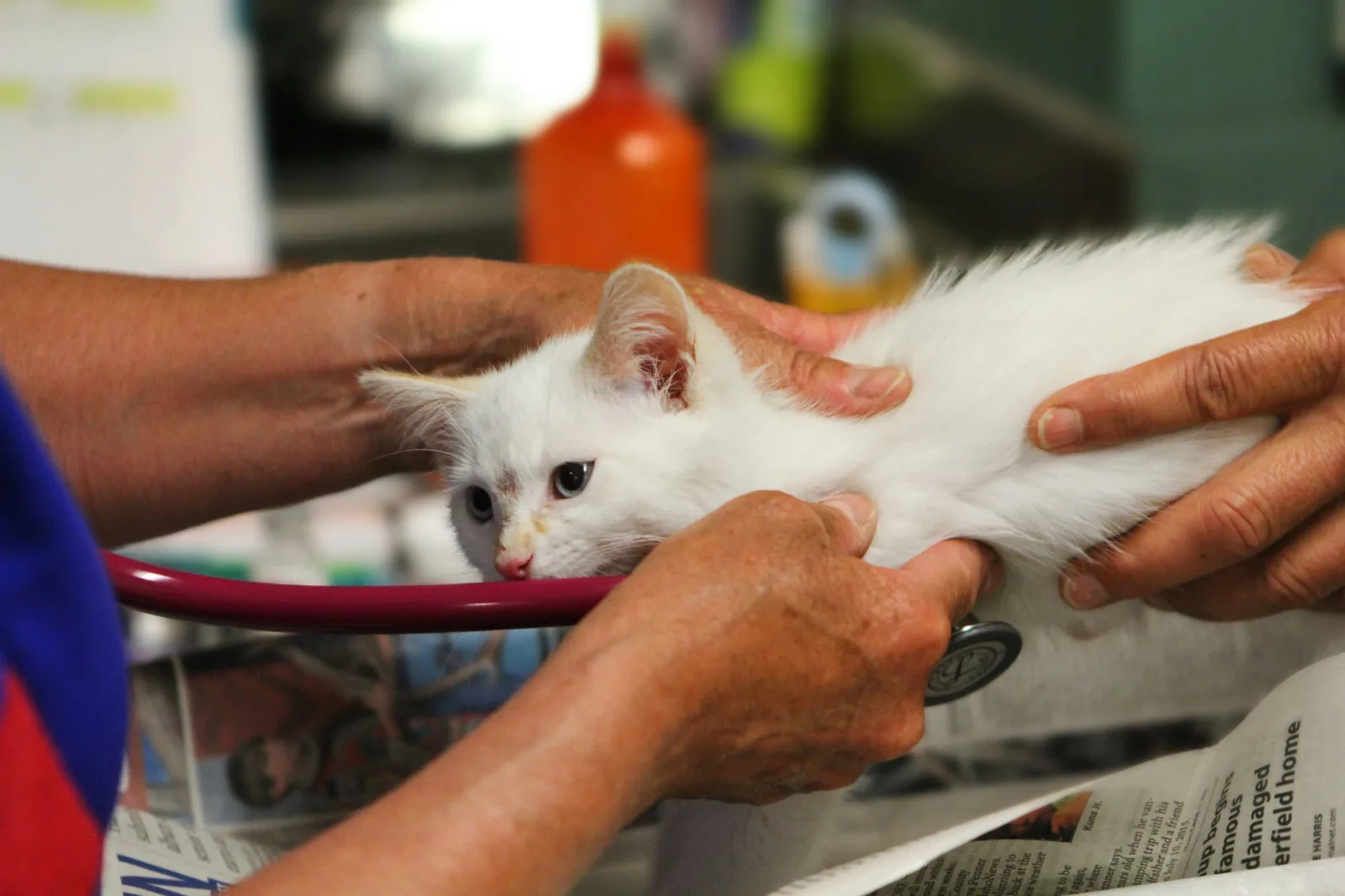
Vaccines built for cats
We use feline-specific vaccines, including non-adjuvanted rabies, which is the same standard used at feline specialty hospitals.
- FVRCP (core): protects against viral rhinotracheitis, calicivirus, and panleukopenia. Recommended for every cat, indoor or out. 1-year and 3-year options.
- Purevax rabies (core): a non-adjuvanted rabies vaccine designed for cats that dramatically reduces the risk of injection-site sarcomas. Recommended for all cats, including indoor cats.
- FeLV: protects against feline leukemia virus. Recommended for outdoor cats and for indoor cats living with cats of unknown status.
- FeLV/FIV test: a quick in-house blood test we recommend for every new cat or kitten before they meet your other cats.
Kittens start their series at 6 to 8 weeks, with boosters every 3 to 4 weeks until 16 weeks.
The cat problems we see most
- Peeing outside the box, straining, or crying in the litter box. Often medical, not behavioral. In a male cat, straining with nothing coming out is an emergency: come in now.
- Not eating. A cat who skips meals for 24 hours needs to be seen. Cats can develop liver problems from not eating surprisingly fast.
- Vomiting more than the occasional hairball. Frequent vomiting is a sign, not a personality trait.
- Drinking and peeing more. The classic early sign of kidney disease, diabetes, or an overactive thyroid. All three are manageable when caught early.
- Bad breath and red gums. Cats get painful tooth resorption and gingivitis that are easy to miss until a dental exam.
- Weight loss in an older cat. Never “just age.” Worth a blood panel.
Not sure if it can wait? Use our Should I Come In? tool or just call us.
Indoor cats need vets too
“Indoor only” lowers risk. It does not remove it.
- Rabies is still recommended for indoor cats, and bats and escaped cats are real things in Los Angeles.
- Parasites ride in on shoes, other pets, and mosquitoes. Heartworm in cats has no treatment, only prevention.
- Weight is the big one. Indoor cats get heavy, and heavy cats get diabetes and arthritis.
- Dental disease does not care where your cat lives.
A yearly exam, and yearly bloodwork once your cat is 7 or older, catches most of this early.
Senior cats, 10 and up
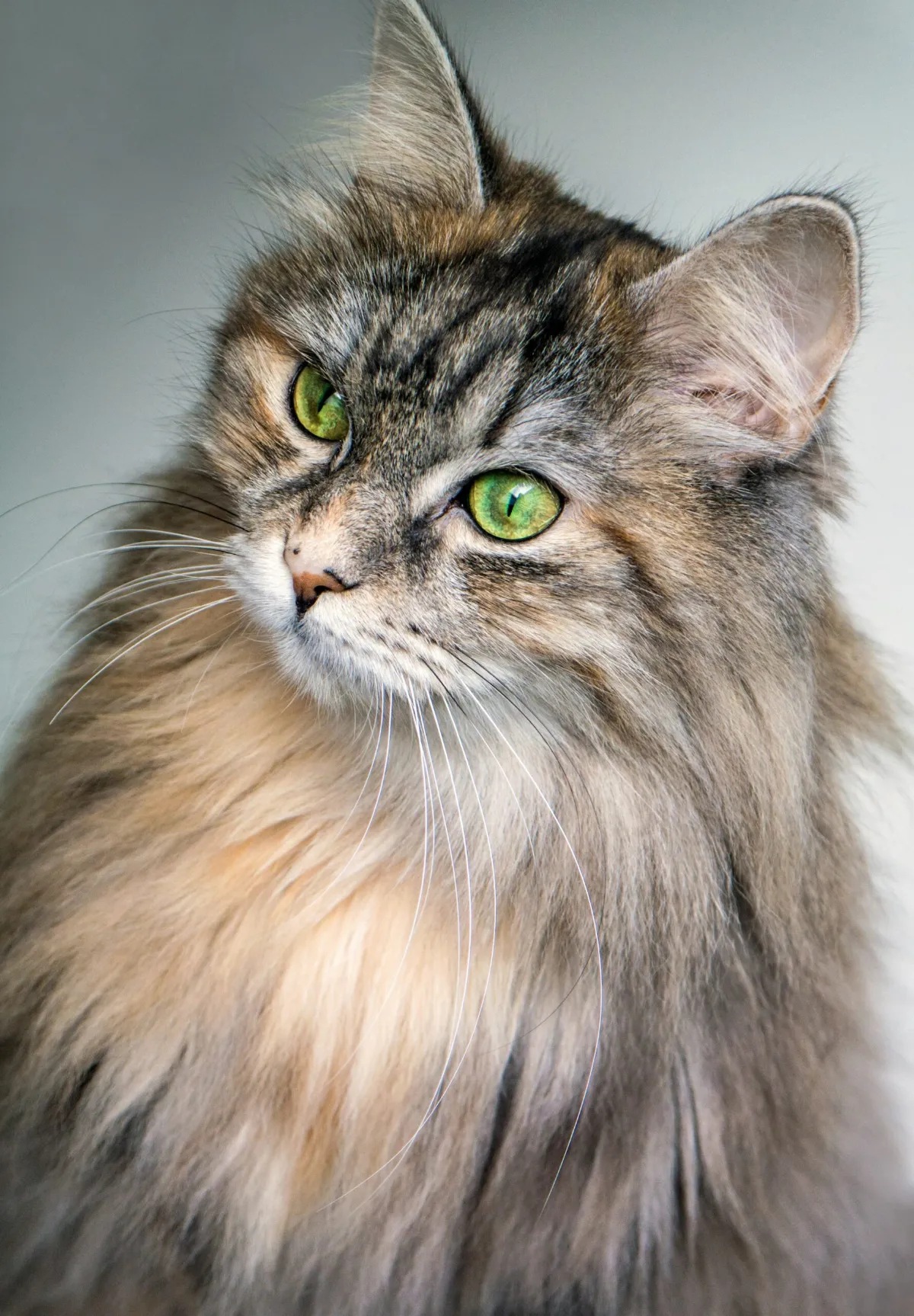
Older cats change slowly, and that is exactly why problems get missed. We recommend exams every six months for cats over 10, with blood pressure, kidney values, and thyroid checked on a schedule.
Arthritis is badly underdiagnosed in cats. A cat who stopped jumping onto the counter is usually a cat in pain, not a cat who got lazy. Dr. Ameis offers acupuncture as one option for cats who do not tolerate or cannot take pain medication.
Getting your cat here without the drama
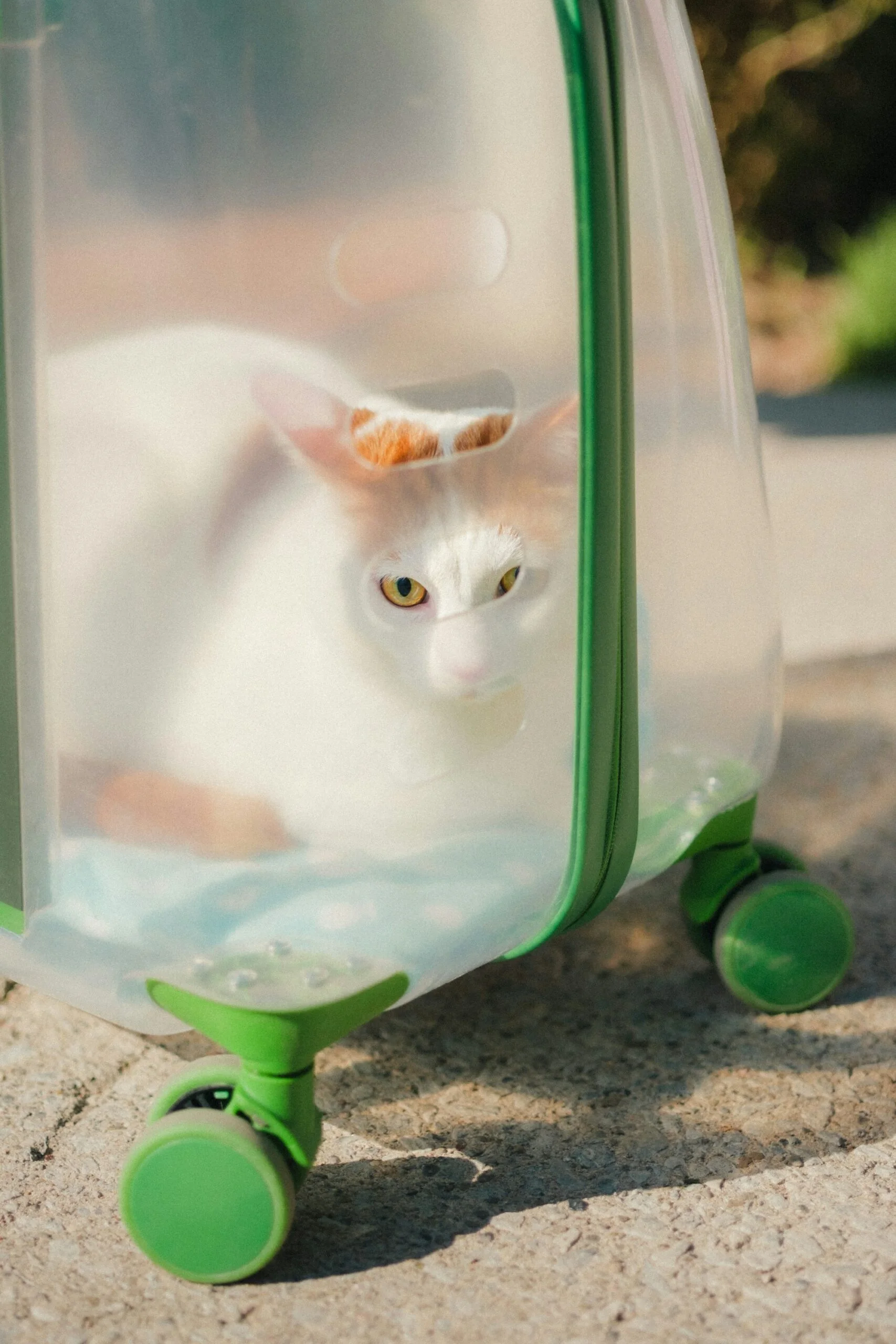
- Leave the carrier out at home for a few days before the visit with a soft towel inside, so it stops meaning “doom.”
- Cover the carrier with a towel in the car and in the lobby. Cats calm down when they cannot see the chaos.
- Skip the big meal right before the drive. A light stomach travels better.
- Call ahead so we can get you into an exam room quickly.
And if your cat will not travel at all, we come to you. House calls are available across our Melrose-area service range.
Cat pricing at a glance
Transparent, published pricing. Exams and vaccines cost the same for every cat, no matter the size.
Cat questions we get a lot
Do you see cats?
Yes. Paw Priority treats dogs and cats, and we see cats and kittens every day for wellness, urgent care, vaccines, dental, surgery, and senior care.
Do you see kittens?
Yes. First kitten visits usually happen at 6 to 8 weeks. See our Puppy & Kitten Care page for the full first-year roadmap.
Do I need an appointment to bring my cat in?
Walk-ins are welcome, but we strongly prefer you call ahead. It keeps your cat’s time in the lobby short.
Does my indoor cat really need rabies?
Yes. We recommend it for every cat, and some California counties require it. We use the non-adjuvanted Purevax vaccine, which is the safer choice for cats.
My cat is straining in the litter box. Can it wait until tomorrow?
No. In male cats especially, straining with little or no urine can mean a blockage, which is life-threatening within hours. Come in now, or go to an emergency hospital if we are closed.
Do you offer house calls for cats?
Yes. For cats who will not travel or get extremely stressed by the car, we offer in-home visits.
Bring your cat in
Same doctor every visit, feline-specific vaccines, and a team that actually likes cats.
Cat peeing outside the litter box: what it actually means
When a cat starts peeing outside the box, it is rarely just behavior. A vet’s read on the medical causes, the male-cat emergency, and how to fix it.
Read the article →