

This article was originally written in 2025, when Metropolitan Animal Specialty Hospital (MASH) had announced its closure. The story has since changed: in late 2025, MASH was acquired by a new ownership group led by a team of experienced specialty and emergency veterinarians, and it remains open today. The hospital continues to provide 24/7 specialty and emergency care to the Los Angeles community under new leadership. Read the full announcement →
The reflections below on overnight shift work, burnout in veterinary medicine, and the rise of urgent care remain relevant — and we’re leaving the original piece as a snapshot of the moment.
By Ezra Ameis, DVM
When I first heard the news that MASH, one of Los Angeles' largest veterinary emergency hospitals, was closing, I felt a complicated mix of emotions: sadness, concern, and, truthfully, a deep sense of recognition.
I spent almost four years working overnight emergency shifts in Seattle. Those years shaped me as a veterinarian — and as a person. They also left me emotionally exhausted. Nights blurred into mornings. Holidays disappeared. Friends' weddings, family dinners, even sleep itself, often felt out of reach. There’s a unique loneliness that comes with working when the world around you is at rest.
It's no secret, in human or veterinary medicine, that overnight shift work carries a heavy cost. Studies have found that people who regularly work night shifts have significantly higher rates of depression and anxiety. In fact, shift workers are about 30% more likely to develop depression compared to daytime workers — and for women, that risk can be as high as 70%. Prolonged night shift work has also been linked to shorter lifespans: one large study showed that people with ten or more years of night shift work were 21% less likely to achieve "healthy aging"—living to 70 without major chronic diseases or mental health issues.
Circadian rhythms, the natural cycles that govern sleep and wakefulness, aren’t easily overridden. Over time, the body and mind suffer consequences that aren't always visible on the surface — until they are.
Veterinary emergency hospitals rely on these overnight shifts to save lives — and they do. But the cost, for many who staff them, is burnout. Compassion fatigue. The slow erosion of mental health.
That’s why, although MASH's closure is a tremendous loss for the Los Angeles veterinary community and for countless pet owners, it's also an inflection point. It forces us to ask hard questions about how veterinary care is structured, how sustainable it is for the people providing it, and what alternatives might exist.
Why Did MASH Close?
I don't have insider information, but from experience, I can say this: staffing has become one of the greatest challenges in veterinary medicine today.
The national shortage of veterinarians and technicians is well-documented. According to the American Veterinary Medical Association (AVMA), demand for veterinary services is outpacing the supply of veterinary professionals at an alarming rate. Emergency medicine, with its grueling hours and emotionally taxing cases, is particularly vulnerable.
When staffing becomes unsustainable, so does the model. Even a hospital as large and respected as MASH wasn't immune.
What Happens Next?
MASH served a vital role. They handled critical emergencies at all hours — trauma cases, complicated surgeries, poisoned pets, and sudden collapses. Their absence leaves a real and immediate gap in care across West Hollywood, Beverly Hills, and beyond.
While there are still 24-hour hospitals in Los Angeles, the load on them will increase. Wait times are likely to grow longer. Costs may rise. Access to emergency care could become more challenging, especially at night.
At the same time, we are seeing the rise of a newer model in veterinary medicine: urgent care.
What Is Veterinary Urgent Care?
Urgent care sits between a general practice clinic and a 24-hour emergency hospital. It’s designed to handle serious but non-life-threatening issues that need same-day attention:
Wounds and injuries
Vomiting and diarrhea
Breathing problems that aren’t yet critical
Pain management
Minor surgeries like abscess care
Stabilizing patients who can then be transferred, if needed
Urgent care doesn't aim to replace the emergency room. True emergencies — bloat, hemoabdomen, cardiac arrest — will always require a full ER. But for the vast majority of pressing issues pet owners face, urgent care provides a faster, more accessible option.
Why Urgent Care Matters — For Pets and People
After my years in overnight ER, I came to believe that urgent care might be the healthier model — for both the caregivers and the animals we serve.
By operating during extended daytime and evening hours (but not 24/7), urgent care clinics can:
Offer immediate attention for urgent issues
Keep costs more predictable and manageable for owners
Provide a better work-life balance for veterinary teams
Allow staff to work at a high level of medical excellence without the cumulative exhaustion of overnight shifts
Veterinary staff are not an endless resource. They are highly trained, deeply compassionate people — and they deserve workplaces that don't quietly burn them out.
Research supports this: prolonged night shift work increases the risk of death from heart disease and certain cancers by up to 38% compared to daytime workers. It's a sobering reminder that even the most dedicated professionals have physiological limits — and that honoring those limits is essential to sustaining both quality care and quality of life.
A Community Response
In the coming months, we will see how the community adapts to the closure of MASH. Other emergency hospitals will adjust. General practices will likely see a surge in urgent calls. Pet owners may find themselves confused about where to turn.
It's critical that we, as a veterinary community, respond thoughtfully. That means educating owners about when urgent care is appropriate versus when a full ER is needed. It means supporting new models of care that prioritize not just patient outcomes, but also the long-term health of veterinary professionals.
I opened my own urgent care clinic with these lessons in mind. Not because I wanted to replace emergency hospitals, but because I believe urgent care is an essential and sustainable piece of the future of veterinary medicine.
We owe it to our clients, our patients, and our colleagues to build systems that are not just about survival — but about thriving.
The closure of MASH is a loss. But it’s also a call to reimagine how we care for animals — and for the people who dedicate their lives to that care.
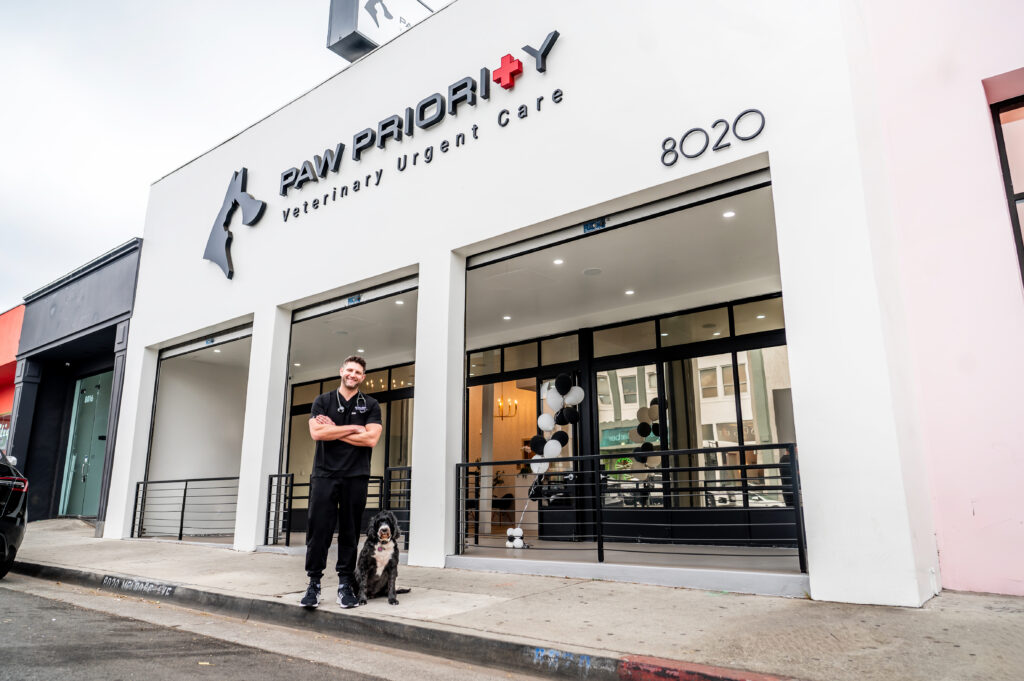
Dr. Ezra Ameis is an emergency veterinarian and the owner of Paw Priority in West Hollywood, a clinic providing general practice, urgent care, and acupuncture. To suggest a topic or ask a pet-related question, email hello@pp.vet.