

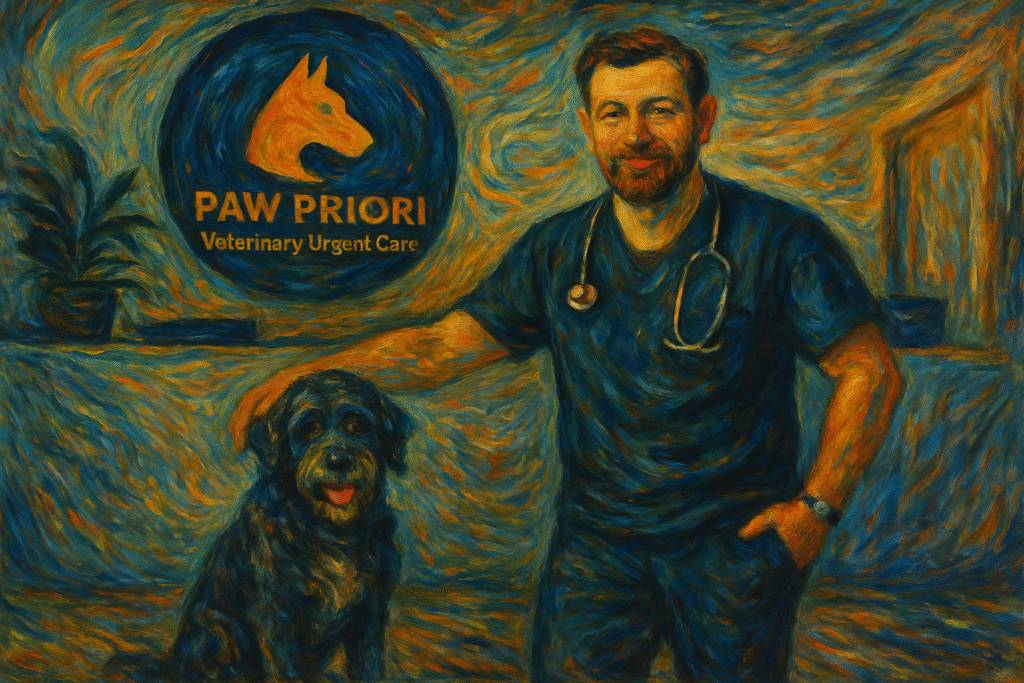
By Dr. Ezra Ameis, DVM
I have a deep confession to make. I love my profession. I have dreamed about being a veterinarian since I was a little boy pretending to do exams on my less than appreciative Wheaten Terrier. I feel incredibly blessed to have had the journey to becoming a vet and practicing all over the US. Honestly, if I could do it all over again – I wouldn’t change much. But, this profession comes at an emotional cost to those who live it. I’m not sure I’d want my children to become veterinarians. Here’s why.
Veterinary medicine is full of meaningful moments: puppies getting their first vaccines, sick pets finally eating again, families reunited after emergencies. But it’s also full of loss, moral conflict, and emotional weight we rarely talk about.
We euthanize animals regularly, sometimes after a long, well-loved life, and sometimes when the medical options just aren’t there. We try to be present and supportive for the family in that moment, but then we walk into the next room and smile for a new client. The emotional whiplash is real. And over time, it adds up.
Many of us who become vets are emotionally intelligent introverts. We’re deeply empathetic, careful thinkers, and often perfectionists. But that combination can come at a cost. We take our cases home in our heads. We worry we missed something. We feel responsible when things go badly, even when we’ve done everything we could. I’ve stayed up reviewing records long after closing. I’ve helped clients off the clock, at no charge, trying to make things easier. And I’ve still been blamed when outcomes weren’t what they hoped for.
I try hard. Probably too hard sometimes. If you’ve met me in person – hopefully youve seen it. I care deeply not just about giving the best care but trying to make sure that I’m treating the people who bring them in just as well. I want to help every pet and every person. But there’s a mental health cost to always caring, always striving, always fearing the consequences of being human in a profession that demands near perfection.
People often ask of us impossible questions.
This isn’t a request for sympathy. But I do think people should understand that behind the stethoscope is a person trying their best, clinically and emotionally. If you’ve had a good experience with your vet and their staff, let them know. It matters more than you think.
But we show up every day anyway, because your pet matters to us. Truly.
Dr. Ezra Ameis is an emergency veterinarian and the owner of Paw Priority in West Hollywood, a clinic providing general practice, urgent care, and acupuncture. To suggest a topic or ask a pet-related question, email hello@pp.vet.